THROMBOCYTOPENIA

Definition: Platelet count < 150,000, but normal neonates can have platelet counts as low as 100,000. Thrombocytopenia affects 25-35% of patients admitted to the NICU and usually develops within 72 hours of birth. A nadir is reached at day 4 of life with resolution by the 10th day. 60% of thrombocytopenia is classified as idiopathic, but recent evidence suggests that the underlying cause is related to impaired production of megakaryocytes and platelets secondary to hypoxia.

Pathophysiology:

  1. Maternal Disorders
    1. Drugs- heparin, hydralazine, thiazide diuretics
    2. TORCH infections
    3. HELLP syndrome
    4. Immunologic disorders
      1. In mom- ITP, SLE
      2. In fetus- Neonatal Alloimmune Thrombocytopenic Purpura (NATP), caused by anti-HPA-1a antibodies from mom. Infants are at risk for intracranial hemorrhage with vaginal delivery.
  2. Placental Disorders
    1. Chorioangioma
    2. Vascular thrombi
    3. Placental abruption
  3. Neonatal Disorders
    1. Decreased platelet production- Normal platelet size with a decreased number of megakaryocytes
      1. Thrombocytopenic-Absent Radius syndrome (TAR)
      2. Fanconi anemia- aplastic anemia with associated congenital anomalies
      3. Congenital leukemia
      4. Trisomy 13/18/21
    2. Increased platelet destruction- Increased platelet size with normal or increased number of megakaryocytes
      1. Bacterial/candida sepsis
      2. TORCH infection
      3. DIC
      4. Birth asphyxia
      5. Necrotizing enterocolitis
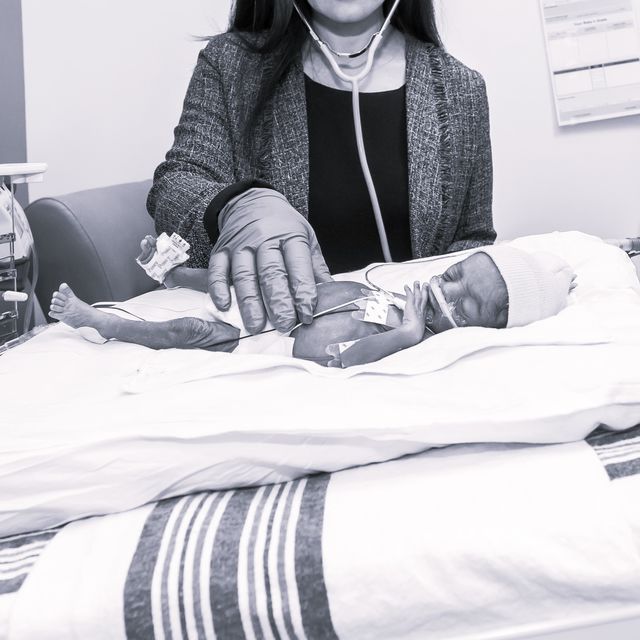
Clinical Symptoms: The most important part of the physical exam is to distinguish the sick (septic) neonate from the healthy one. Look for petechiae or the presence of mucosal bleeding

Diagnosis:

  1. Baby- CBC with platelets, TORCH cultures, bacterial/fungal culture, bone marrow biopsy if persistent pancytopenia
  2. Mom- Platelet count (HELLP, autoimmune diseases), HPA-1a Ab screen
Treatment:
  1. Treat the underlying cause- antibiotics for sepsis, stop drugs
  2. Platelet transfusion if less then 30,000 in healthy neonates, 50,000 in sick neonates, or with active bleeding (no set guidelines)
  3. Exchange transfusion, steroids, IVIG for autoimmune/isoimmune thrombocytopenia
  4. Current developing therapies include thrombopoietin and interleukin-11

  5. References:

    1. Murphy S. Consultation with the Specialist. Thrombocytopenia. Pediatrics in Review. Feb 1999; 20(2): 64-68.
    2. Albert TS. Throbopoietin in the Thrombocytopenic Term and Preterm Newborn. Pediatrics. June 2000; 105(6): 1286-1291.
    3. Silver RM. Neonatal Alloimmune Thrombocytopenia: Antenatal Management. American Journal of Obstetrics and Gynecology. May 2000; 182(5): 1233-1238.
    4. Behrman: Nelson Textbook of Pediatrics, 16th ed (2002). Philadelphia: W.B. Saunders Company.
    5. Gomella: Neonatology: Management, Procedures, On-Call Problems, Diseases and Drugs, 4th ed (1999). McGraw-Hill/Appleton and Lange.